Source Swivel Velvet Bar Stool for Hotel, Bar, and Home Dining
Source 30 swivel velvet bar stool options for hotel, bar, and home dining applications. Compare models like SC022 and CE-206-38, featuring metal frames, sponge padding, and rotary bases. Evaluate customization, lead times, and MOQs to find the right fit for your project.
Key considerations
Products List


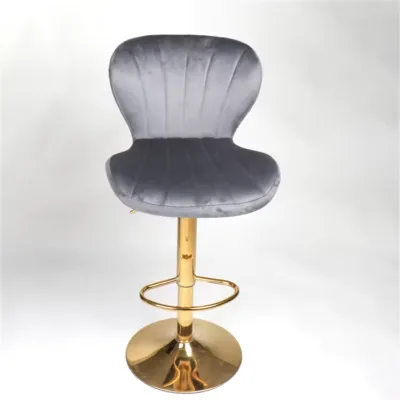


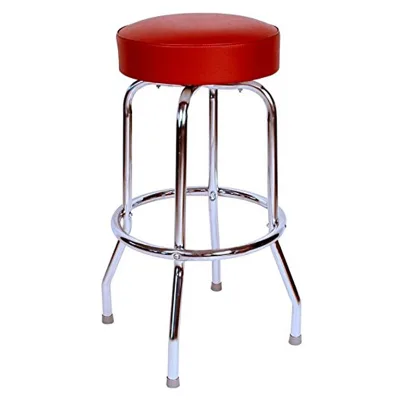
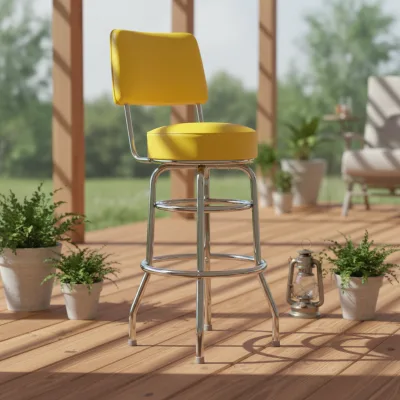


Comprehensive Sourcing Guide
Swivel Velvet Bar Stool Sourcing Guide
Sourcing swivel velvet bar stools requires a careful balance between aesthetic appeal and functional durability, particularly for commercial environments like hotels, bars, and high-end dining rooms. The term "swivel" implies a rotating base, which introduces mechanical complexity compared to fixed-leg stools. Buyers must distinguish between true rotary mechanisms and fixed designs, as mislabeling is common in global marketplaces. The visual appeal of velvet upholstery offers a modern, luxurious look, but the material choice significantly impacts maintenance requirements and longevity. Procurement teams need to verify whether the velvet is genuine, synthetic, or a blend, as this affects both cost and wear resistance.
The supply chain for these items is heavily concentrated in manufacturing hubs like China, where a wide variety of models are available. Listings often show a broad price range, reflecting differences in frame materials, cushion density, and base construction. Buyers should be aware that "swivel" functionality can vary in quality, from simple ball-bearing rotations to heavy-duty industrial mechanisms. Understanding the specific application, whether for a residential home or a high-traffic commercial venue, is the first step in defining the correct technical specifications. This guide provides a structured approach to evaluating suppliers, verifying technical details, and managing commercial risks associated with importing these furniture pieces.
Product Scope and Observed Listing Signals
The market for swivel bar stools includes a diverse range of designs, from modern minimalist styles to more traditional forms. Observed listings indicate a strong presence of metal frames, often paired with synthetic leather or velvet upholstery. Some suppliers offer customization options, allowing buyers to select specific colors, such as white or other custom shades, to match interior design schemes. The condition of new items is standard, but buyers must verify if the product arrives fully assembled or in knock-down (KD) format. KD packaging is common for international shipping to reduce volume and freight costs, but it adds assembly labor for the end-user.
Listing signals also reveal variations in base types, including fixed and rotary options. While the core keyword specifies "swivel," some listings may feature fixed bases, requiring careful filtering. The observed price range is wide, suggesting significant variation in material quality and manufacturing complexity. Buyers should note that some products are marketed with specific model numbers, such as SC022 or BC054, which can help in tracking specific design iterations. Additionally, packing configurations vary, with some items packed four per carton and others individually, impacting logistics planning. Understanding these signals helps in narrowing down the supplier pool to those offering the exact combination of style, function, and packaging required.
Technical Specifications to Verify
Verifying the mechanical integrity of the swivel mechanism is critical for long-term performance. Buyers should request detailed specifications for the base rotation system, including the type of bearing used and its load capacity. The frame material, often metal or a combination of metal and wood, must be assessed for stability and weight capacity. For instance, some listings specify a weight standard of 3.8kg or 6.4kg, which indicates the product's heft and potential durability. The cushioning material, such as medium-density foam or sponge, affects comfort and resilience. Buyers should inquire about the foam density and whether it is high-resilience to prevent sagging over time.
Upholstery material quality is another key technical aspect. While velvet is desired for its aesthetic, synthetic leather or other materials may be used for easier maintenance. The connection between the seat and the base, often involving iron or wood components, must be secure. Some products are designed without armrests, which simplifies the structure but may reduce comfort for extended use. Buyers should verify the dimensions of the stool, such as 404082cm or 445186cm, to ensure it fits the intended bar or counter height. Additionally, the finish of the metal frame, including anti-rust treatments, should be confirmed to prevent corrosion in humid environments.
Compliance and Safety Documentation
Safety compliance is paramount, especially for commercial installations where stools may be subjected to heavy and frequent use. Buyers must ensure that suppliers provide documentation confirming adherence to relevant safety standards for furniture stability and structural integrity. While specific standard numbers may vary by region, general requirements include tests for tip-over resistance, load-bearing capacity, and mechanical durability of the swivel mechanism. Suppliers should be able to provide test reports from accredited laboratories, verifying that the product meets international safety benchmarks. This documentation is essential for risk management and liability protection in commercial settings.
Environmental and material safety regulations also play a significant role in procurement. Buyers should verify that the materials used, including the velvet, foam, and metal finishes, comply with regulations regarding volatile organic compounds (VOCs) and heavy metals. For example, if the product is intended for the European market, REACH compliance may be required. Similarly, for the US market, CPSIA or other relevant guidelines must be followed. Suppliers should provide material safety data sheets (MSDS) and certificates of conformity. Ensuring these documents are in order before shipment prevents customs delays and ensures the product is safe for end-users.
Cost Drivers and Commercial Terms
The cost of swivel velvet bar stools is influenced by several factors, including material quality, manufacturing complexity, and order volume. Metal frames and high-density foam cushions typically increase the base cost compared to simpler designs. Customization options, such as specific colors or logo printing, add to the production expense. The observed minimum order quantity (MOQ) ranges from 100 pieces per color to 200 pieces mixed, which affects the unit price. Larger orders often benefit from economies of scale, reducing the per-unit cost. Buyers should negotiate based on their volume requirements and consider the trade-off between customization and cost efficiency.
Commercial terms, including payment methods and delivery times, are crucial for cash flow management. Common payment terms include T/T (Telegraphic Transfer) and L/C (Letter of Credit), which offer varying levels of security for both parties. Delivery times typically range from 7 to 35 days, depending on the order size and production schedule. Buyers should clarify whether the quoted price includes packaging and loading port fees, such as Xingang. Additionally, the volume of the product, often around 0.055cbm per unit, impacts shipping costs. Understanding these cost drivers helps in creating an accurate total landed cost estimate and avoiding unexpected expenses.
Supplier Qualification and Quality Control
Selecting a reliable supplier involves verifying their production capabilities and quality control processes. Buyers should request information about the supplier's factory size, production capacity, and experience in manufacturing bar stools. Suppliers offering OEM services may have more flexibility in customization but require stricter quality oversight. It is advisable to conduct a factory audit or hire a third-party inspection agency to verify production standards. This includes checking the assembly line processes, material storage, and final product inspection procedures. A robust quality control system ensures consistency and reduces the risk of defects.
Quality control checks should focus on critical aspects such as the swivel mechanism's smoothness, the stability of the base, and the quality of the upholstery stitching. Buyers should define clear acceptance criteria for color consistency, fabric durability, and frame finish. Sampling is a recommended step before placing a bulk order, allowing for physical verification of quality. Additionally, suppliers should provide a warranty period, typically around three years, which indicates confidence in their product. Establishing a clear communication channel for addressing quality issues post-delivery is also essential for maintaining a successful supplier relationship.
Long-Term Procurement Checks
Long-term procurement success depends on continuous monitoring of supplier performance and market trends. Buyers should track key performance indicators (KPIs) such as on-time delivery rates, defect rates, and responsiveness to issues. Regular feedback loops with suppliers help in identifying areas for improvement and fostering a collaborative relationship. As design trends evolve, buyers may need to update their product specifications to include new styles or materials. Staying informed about market developments ensures that the sourced products remain competitive and relevant to end-users.
Sustainability and ethical sourcing are increasingly important considerations in long-term procurement. Buyers should inquire about the supplier's environmental policies, such as waste management and energy efficiency. Verifying that the materials used are sourced responsibly can enhance brand reputation. Additionally, planning for product lifecycle management, including repair and replacement parts, ensures long-term customer satisfaction. By integrating these checks into the procurement strategy, buyers can build a resilient supply chain that delivers value over time.
FAQs
Can I customize the color of the swivel velvet bar stool?
Yes, customization is available for the fabric color. The product supports customized colors to match your interior design needs. This option allows buyers to select specific hues for the upholstery, ensuring the stool fits seamlessly into home dining rooms or hotel settings. Customization is a key feature offered by the manufacturer for this modern-style furniture.
What is the minimum order quantity for these stools?
The minimum order quantity is 100 pieces per color. For mixed orders, the requirement may be 200 pieces to fill a container. This MOQ ensures efficient production and shipping. Buyers should plan their color selections carefully to meet these thresholds, which are standard for this type of modern furniture manufacturing.
How long does delivery take for bulk orders?
Delivery time is typically 25 to 35 days. Some production runs may take around 7 to 30 days depending on specific requirements. This lead time applies to standard manufacturing processes. Buyers should account for this duration when planning inventory for bars, hotels, or other commercial applications requiring steady supply.
What materials are used in the construction of the stool?
The stool is constructed using metal, synthetic leather, sponge, wood, and iron. The padding consists of medium-density foam for comfort. This combination ensures durability and a modern aesthetic. The materials are selected to provide a steady structure while maintaining the visual appeal required for home dining or commercial bar environments.
Is the stool available in a rotary or fixed configuration?
Both rotary and fixed configurations are available. The product line includes models with rotary bases for swivel functionality and fixed bases for stability. Buyers can choose based on their specific usage needs, whether for a home dining room or a commercial bar setting. This flexibility allows for tailored sourcing decisions.
What is the warranty period for this furniture?
The warranty period is 3 years. This coverage applies to the structural integrity and material quality of the stool. Buyers benefit from this assurance for long-term use in homes or commercial spaces. The warranty reflects the manufacturer's confidence in the product's durability and steady performance over time.